|
|

|
|
|
|
| Recording History |
|
Rita Remington
|
|
Marty Robbins
|
|
Andy Russell, 1946
|
|
Keely Smith
|
|
Billy Vaughn
|
|
Merle Haggard, Capitol Records Nashville, 1974
|
|
Sam Cooke, 1965
|
|
Bobby Vinton
|
|
Kay Starr
|
|
Al Hirt
|
|
Stephen Wade
|
|
Audre Cooper
|
|
The Strangers
|
|
The Ink Spots, 1946
|
|
Syd Dale
|
|
The Ted Weems Orchestra
|
|
Joni James, 1955
|
|
Jimmy Wakely
|
|
The Three Chuckles
|
|
Bo Diddley
|
|
Jose Feliciano
|
|
Billy Ward and The Dominoes
|
|
Ronnie Dove, 1964
|
|
The Five Keys
|
|
Sonny Til and The Orioles
|
|
Jon Weber, It's Never Quite the Same, Mood Records, MD-1111, 1998
|
|
Eddie Howard and his Orchestra, 1946
|
|
David Forrester
|
|
Lawrence Welk and his Orchestra
|
|
Wayne Newton
|
|
Trudy Erwin
|
|
Buddy Greco
|
|
Paul Weston
|
|
The Platters, 1960
|
|
Joe Marine
|
|
The Esquire Trio
|
|
Anthony Ray
|
|
Michael Feinstein, Livingston & Evans Songbook, Concord Records, FCD-3101-2, 2002
|
|
Roger Williams
|
|
Freddy Martin and The Roy Hargrove Quintet, 1946
|
|
Don Byas
|
|
Django Reinhardt
|
|
Tony Martin
|
|
Jerry Vale
|
|
Al Martino
|
|
Frankie Carle
|
|
Rudy Vallee
|
|
The Modernaires and Paula Kelly, 1946
|
|
Rosemary Clooney
|
|
Glenn Miller
|
|
The Tymes
|
|
Jane Morgan
|
|
Gordon Jenkins
|
|
The Clovers
|
|
The Ames Brothers
|
|
Sammy Kaye
|
|
Eddy Arnold
|
|
Frankie Laine, 1968
|
|
Lamar Morris
|
|
Karen Benjamin and Alan Chapman
|
|
Living Guitars
|
|
The Bob Crewe Generation
|
|
Willie Nelson, 1983
|
|
| Listen |
|
|
|
| Highlights |
- Written for the 1946 Paramount Picture To Each His Own, starring Olivia de Havilland.
- The first hit for Livingston & Evans with Paramount Pictures.
- In 1946, three different versions hit number one on the Billboard charts in the United States. Eddy Howard's single (Majestic Records), lasted nineteen weeks on the chart, reaching the top spot on August 10th for three weeks and returning for two more weeks on October 5th.
- Freddy Martin and his Orchestra, featuring vocals by Stuart Wade, and Tony Martin both had their versions debut on the musical charts on August 8, 1946. Each remained on the charts for twelve weeks. While Freddie Martin (RCA Victor Records) was able to top the chart for two weeks, Tony Martin's version (Mercury Records) peaked at number four.
- The next version to reach the Billboard charts was performed by The Modernaires with Paula Kelly. Released by Columbia Records, together they debuted on the chart on August 15, 1946, lasting six weeks on the chart and peaking at number five.
- The final recording to reach number one was by The Ink Spots, which was released by Decca Records. Reaching the charts on August 29, 1946, it remained on the chart for eleven weeks on the chart, reaching its number-one peak on September 21.
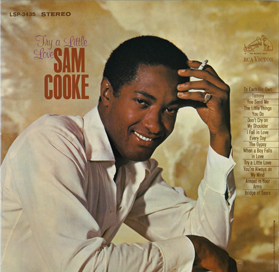
- Sam Cooke recorded "To Each His Own" for his LP, Try a Little Love. Frankie Laine had a minor revival with the song in 1968, reaching number two on the Billboard Easy Listening chart. The Platters also hit the charts with this tune in 1960.
- In 1946, Famous Music Corporation presented Livingston and Evans an 18-carat gold framed copies of "TO EACH HIS OWN", in recognition of being the first song to have ever sold over one million copies of sheet music.
|
|
| WRITTEN BY RAY EVANS & JAY LIVINGSTON |
| COPYRIGHT 1946 |
| Lyrics |
|
Voice (ad lib):
Wise men have shown
Life is no good alone,
Day needs night,
Flowers need light,
I need you
I need you.
A rose must remain with the sun and the rain
Or its lovely promise won’t come true.
To each his own, to each his own
And my own is you.
What good is a song if the words just don’t belong
And a dream must be a dream for two
No good alone, to each his own,
For me there’s you:
If a flame is to grow there must be a glow,
To open each door there’s a key.
I need you I know, I can’t let you go,
Your touch means too much to me.
Two lips must insist on two more to be kissed
Or they’ll never know what love can do.
To each his own, I’ve found my own
One and only you.
If a flame is to grow there must be a glow,
To open each door there’s a key.
I need you I know, I can’t let you go,
Your touch means too much to me.
Two lips must insist on two more to be kissed
Or they’ll never know what love can do.
To each his own, I’ve found my own
One and only you.
|
| TO EACH HIS OWN Inspired by the Paramount Picture To Each His Own Paramount Music Corporation, 1946 Music and Lyrics by Jay Livingston and Ray Evans (Special Picture Release) |
|